
Derechos de autor e inteligencia artificial: implicaciones éticas y legales
La interacción entre los derechos de autor y la inteligencia artificial plantea desafíos éticos y legales que deben abordarse cuidadosamente. Es necesario encontrar un equilibrio entre proteger la creatividad humana, fomentar la innovación tecnológica y garantizar el respeto por los derechos de autor en el uso de la IA en la creación de contenido.

La Propiedad Intelectual (PI) y los Objetivos de Desarrollo Sostenible (ODS): Nuestro futuro común se forja con innovación y creatividad
La propiedad intelectual (PI) y los Objetivos de Desarrollo Sostenible (ODS) están interconectados en varios aspectos. La PI, incluye derechos como patentes, derechos de autor y marcas registradas, y se posiciona como una herramienta fundamental para alcanzar los ODS al fomentar la innovación, la creatividad y el desarrollo sostenible.

Ley Sherman (Sherman Act): A 134 años de la emblemática ley antimonopólica que sentó un precedente mundial
A 134 años de la ley estadounidense que sentó las bases mundiales del Derecho de la Competencia, debemos entender el papel que esta materia juega en el mercado ecuatoriano y la protección de sus dinámicas
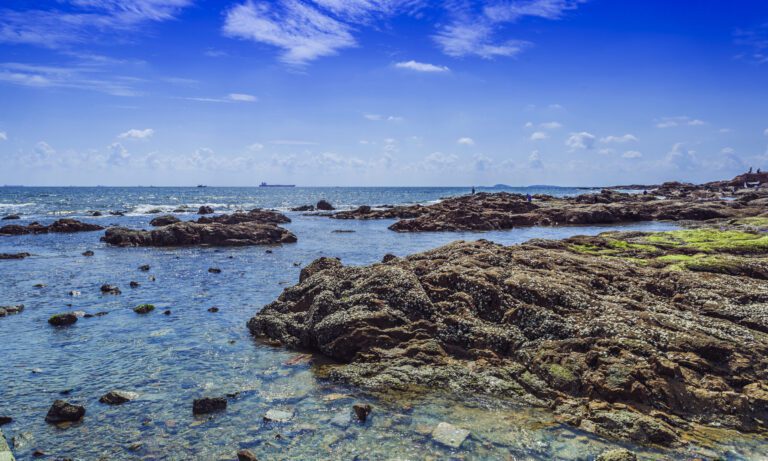
El Código Galápagos: Hacia un nuevo paradigma jurídico desde Galápagos para el mundo
El 29 de marzo, nuestro socio Milton Castillo publicó un artículo en La Hora sobre los desafíos de las Islas Galápagos. Propone el Código Galápagos para reemplazar la legislación existente y abordar problemas como el turismo descontrolado y el tráfico ilegal de especies. Destaca la necesidad de adoptar un enfoque eco-céntrico y reconocer los Derechos de la Naturaleza para conservar este tesoro natural global.

¡Únete a Quevedo & Ponce en la Cumbre de Sostenibilidad y descubre nuestro compromiso con la defensa de la fauna en Galápagos!
Estamos encantados de confirmar nuestra participación en la próxima Cumbre de Sostenibilidad que se llevará a cabo los días 10 y 11 de abril de 2024 en la ciudad de Quito. Durante este evento, estaremos compartiendo nuestra actividad en torno a la Responsabilidad Social Sostenible (RSS).
¡Únete a Quevedo & Ponce en la Cumbre de Sostenibilidad y descubre nuestro compromiso con la defensa de la fauna en Galápagos!