

Quevedo & Ponce - Noticias Legales
New Labor Rights under the Organic Law on Persons with Disabilities
- July 11th, 2025
- Quevedo & Ponce
The National Intellectual Property Service (SENADI), exercising its regulatory authority, has issued Resolution No. 003-2024-DG-NT-SENADI. This technical standard aims to regulate preparatory procedures for verification and blocking of URLs that may violate intellectual property rights in the digital environment. Its application focuses on protecting intellectual property rights against the difficulty of identifying and locating the alleged infringer and to curb infringements that easily migrate to other digital infrastructures.
To request this preparatory procedure, the interested party must submit an application to SENADI’s Technical Enforcement Directorate. Requirements include identification of the applicant and notification methods, determination and accreditation of the allegedly violated right, factual and legal grounds, and identification of the subject against whom the procedure is directed, if known. It is essential to specify the object and purpose of the procedure, which is the concrete request for verification and blocking of URLs with infringing content. The URLs must be listed along with IP addresses and access ports, and a sworn statement before a Notary Public assuming responsibility for possible harm to third parties must be submitted. Additionally, notarized evidence of the URL displaying the infringing content, the applicant’s signature, and proof of payment of the corresponding fee are required.
Once the application is deemed clear and complete, the Technical Enforcement Directorate will verify whether the URL content may allegedly infringe intellectual property rights. If confirmed, authorized internet service providers and carriers in Ecuador will be ordered to block the URLs and redirect them to an informative website about the alleged violation. The standard also contemplates dynamic blocking and the possibility to request the maintenance of the block if a principal action, such as an administrative protection claim, is initiated. It is important to note that this procedure does not apply to blocking domain names, social media content, or content through digital streaming applications.
At Quevedo and Ponce, we offer specialized advice on the application of preparatory procedures to protect intellectual property rights in the digital environment. Our team is ready to guide you through the verification and URL blocking request processes, ensuring the defense of your rights in the digital realm.
Más Artículos
Piratería digital en Ecuador: Un desafío legal en la era tecnológica
La piratería digital representa uno de los mayores desafíos para la protección de la propiedad intelectual en Ecuador. El uso de plataformas ilegales para distribuir contenidos sin autorización vulnera los derechos de autores y creadores, y exponiendo a los usuarios a riesgos legales y tecnológicos. A pesar del marco normativo vigente, es necesario promover una cultura digital respetuosa de los derechos de autor.

Metropolitan Ordinance No. 086-2024: Key Points and Challenges for Taxpayers
On December 26, 2024, Metropolitan Ordinance No. 086-2024 was enacted, modifying the patent tax and 1.5 tax on total assets. The regulation distinguishes obligations based on whether taxpayers are required to keep accounting records, and introduces benefits and exemptions in certain cases. It is essential to know these changes and deadlines to ensure compliance and optimize tax burdens. This article explains the key points that every taxpayer should know.
Ordenanza Metropolitana No. 086-2024: claves y desafíos para los contribuyentes
El 26 de diciembre de 2024, se expidió la Ordenanza Metropolitana No. 086-2024, que modifica el impuesto de patente y del 1.5 sobre activos totales. La norma diferencia obligaciones según los contribuyentes lleven o no contabilidad, e introduce beneficios y exenciones para ciertos casos. Conocer los cambios y plazos es clave para cumplir correctamente y optimizar la carga fiscal. En este artículo te explicamos lo esencial que todo contribuyente debe saber.
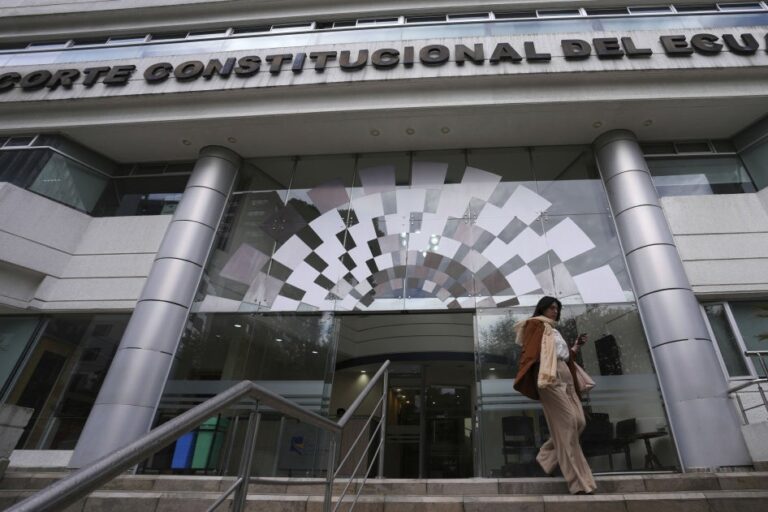
The Constitutional Court provisionally suspended articles from three recently approved laws
On August 4, the Constitutional Court announced the decisions adopted by the Admissions Chamber. Among them was the provisional suspension of a transitory provision of the Organic Law on Public Integrity, several articles and the regulations of the Organic Law on Intelligence, and certain articles of the Organic Law on National Solidarity.
La Corte Constitucional suspendió provisionalmente artículos de tres leyes aprobadas recientemente
El 4 de agosto, la Corte Constitucional informó sobre las decisiones adoptadas en la Sala de Admisiones. Entre ellas, se dispuso la suspensión provisional de una disposición transitoria de la Ley Orgánica de Integridad Pública, de varios artículos y el reglamento de la Ley Orgánica de Inteligencia, y de algunos artículos de la Ley Orgánica de Solidaridad Nacional.