
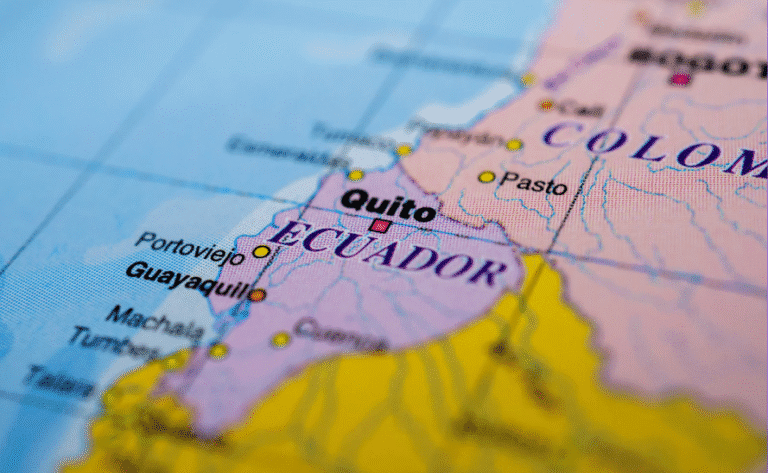
SENADI Resolution Strengthens the Control of Geographical Indications and Denominations of Origin in Ecuador
The National Service of Intellectual Rights (SENADI) issued Resolution No. SENADI-DG-2026-0009-RE on March 25, 2026, published in Official Registry Year II, First Supplement No. 251. This resolution establishes a new technical regulation for the creation and operation of regulatory offices for Geographical Indications (GIs) and Denominations of Origin (DOs) in the country.
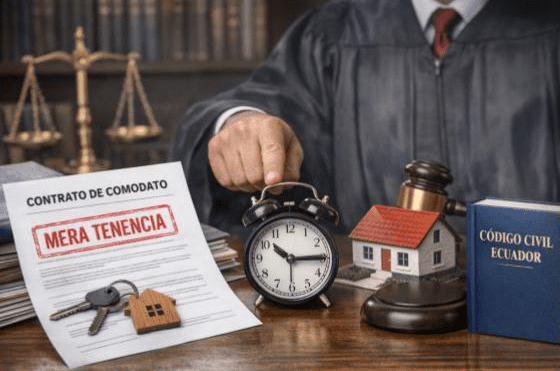
Can property lent under a commodatum agreement be acquired by prescription?
A commodatum is a contract through which a person lends property free of charge for another person to use, with the obligation to return it. Under the Ecuadorian legal system, the borrower does not acquire possession but only mere holding of the property, which means it cannot be acquired through acquisitive prescription unless a proven interversion of title occurs.

Processing of Proposed Laws Classified as Urgent Economic Matters
Proposing urgent economic bills is one of the powers of the Executive Function; however, these must be submitted to the National Assembly for approval, modification, or rejection. In accordance with the Constitution and the Organic Law of the Legislative Function, a failure to issue a ruling results in the immediate enactment of the project by operation of law.

Fast Fashion in Ecuador: Legal Protection, Boundaries, and Emerging Challenges in the Creative Industry
The impact of fast fashion on the Ecuadorian intellectual property system, explaining which elements of fashion can be legally protected, which are not eligible for protection, and what the main challenges are for designers and brands when facing potential infringement.

Piercing the Corporate Veil in Ecuador: When limited liability no longer protects shareholders
Limited liability is one of the main advantages of incorporating a company. However, in Ecuador this protection is not absolute. Courts may apply the doctrine of piercing the corporate veil and extend liability to shareholders or directors when the company has been misused. This has become increasingly relevant in commercial litigation and debt recovery cases.