

Mediation: An effective and legal way to resolve conflicts in Ecuador
Mediation is a conflict resolution process whereby the parties, assisted by a neutral third party called a mediator, seek to reach a voluntary agreement on a negotiable matter, in an extrajudicial and definitive manner. This mechanism promotes fast, confidential, and fair solutions that have the same legal validity as a final judgment, fostering dialogue and a culture of peace in Ecuador.
Mediación: una vía eficaz y legal para resolver conflictos en Ecuador
La mediación es un método alternativo de solución de conflictos mediante el cual las partes, asistidas por un tercero neutral llamado mediador, procuran un acuerdo voluntario sobre materia transigible, de carácter extrajudicial y definitivo. Este procedimiento permite alcanzar soluciones ágiles, confidenciales y con el mismo valor jurídico que una sentencia ejecutoriada, fomentando el diálogo y la cultura de paz en Ecuador.
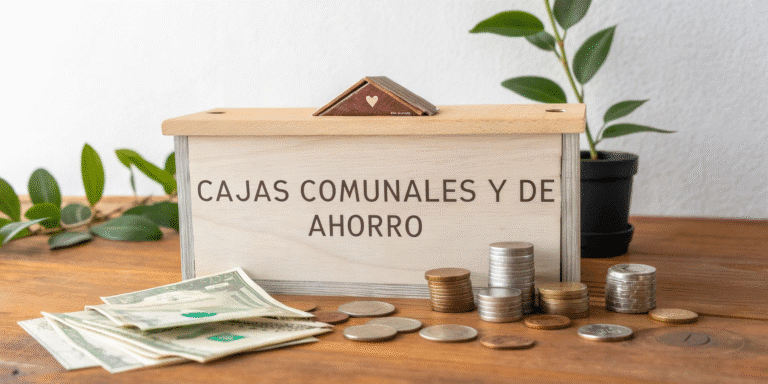
New Rules for Communal and Savings Funds: A Framework of Control and Transparency
The Superintendence of Popular and Solidarity Economy (SEPS) has established new rules for the incorporation, governance, and liquidation of communal and savings funds, effective as of November 20, 2025. This regulatory framework strengthens the transparency, monitoring, and financial security, ensuring that these community-based entities can manage resources, grant loans, and contribute to the development of the popular and solidarity economy.
Nuevas Reglas para Cajas Comunales y de Ahorro: Un Marco de Control y Transparencia
La Superintendencia de Economía Popular y Solidaria (SEPS) ha establecido nuevas reglas para la constitución, gobierno y liquidación de cajas comunales y de ahorro, vigentes a partir del 20 de noviembre de 2025. Este marco normativo fortalece la transparencia, la supervisión y la seguridad financiera, asegurando que estas entidades comunitarias puedan gestionar recursos, otorgar créditos y contribuir al desarrollo de la economía popular y solidaria.

Relationship between Customs (SENAE) and Intellectual Property (SENADI) in Ecuador
Customs and the National Service for Intellectual Rights work together to protect legitimate trade and prevent counterfeiting, smuggling, and piracy. Through the Customs Intellectual Property Registry, trademark, patent, and copyright holders can register their creations to strengthen protection at the border.